In hospitals and medical research facilities, Vacuum Blood Collection Red have become a global standard for blood sampling and transport. The production of the tubes takes place under very stringent quality controls which guarantee sterility and chemical uniformity. They are employed by hospitals for a variety of diagnostic tests, such as screening for infectious diseases, performing hormone panels and routine blood counts. Their pre-filled additives allow for the prevention of clotting or degradation of components, thus maintaining the integrity of each sample. The communication with laboratory machines like centrifuges and analyzers makes the workflow smoother. The use of Vacuum Blood Collection Red in different medical areas not only minimizes the chances of mistakes but also improves the safety of patients and ultimately leads to the provision of accurate test results in both hospital and research environments.

Blood donation and transfusion units employ Vacuum Blood Collection Red to gather donor samples for carrying out compatibility testing and infectious disease screening. Anticoagulant-containing tubes help keep the cells viable and avoid clotting while the samples are being kept. Laboratory workers need them for secure handling, accurate labeling, and the entire donor process being traceable. The connection of Vacuum Blood Collection Red with automatic analyzers permits quick testing of donor blood, therefore, patient transfusion products in the hospital are safe. Their uniform design makes the process easier, increases the quality of the samples, and decreases the number of mistakes in blood bank and transfusion operations.
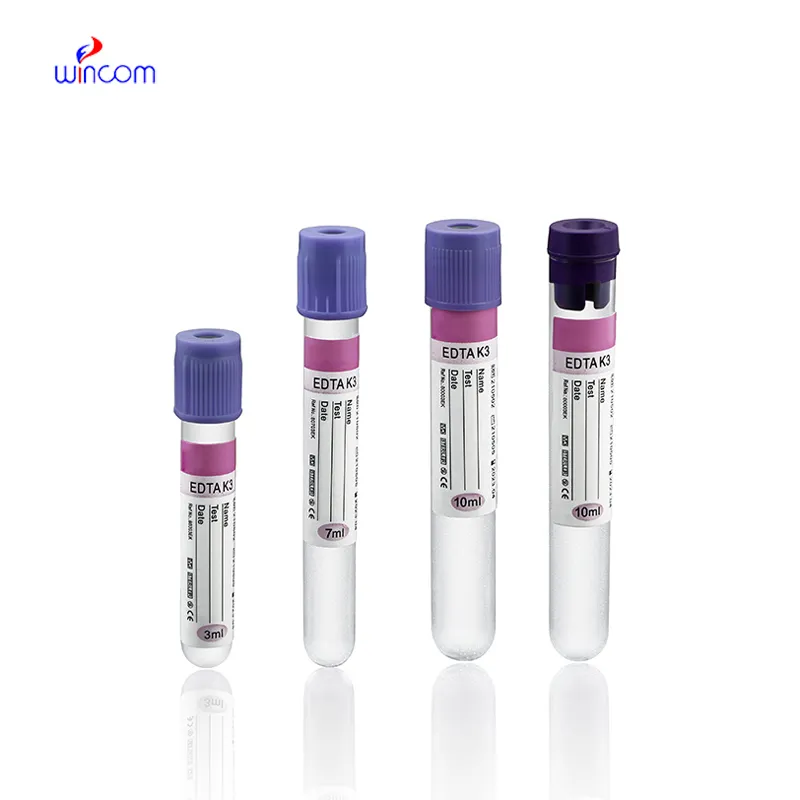
In hospital research centers, Vacuum Blood Collection Red could change to be able to assist special tests that need very carefully preserved samples for high-level studies in genetics, proteomics, or metabolomics. In the future, the tubes might have stabilizers in them which make the very sensitive substances in the samples not to be degraded even during transport or storage. The automatic labeling and tracking systems will be the ones that guarantee sample traceability and laboratory standards compliance. Sample traceability and compliance with laboratory standards will be assured by automated labeling and tracking systems. The hospitals and laboratories will experience fewer pre-analytical mistakes and better reproducibility. The future Vacuum Blood Collection Red will be the main factor of precise, fast, and trustworthy clinical and research testing workflows through the combination of technology innovation, better chemical stabilization, and automated system compatibility.
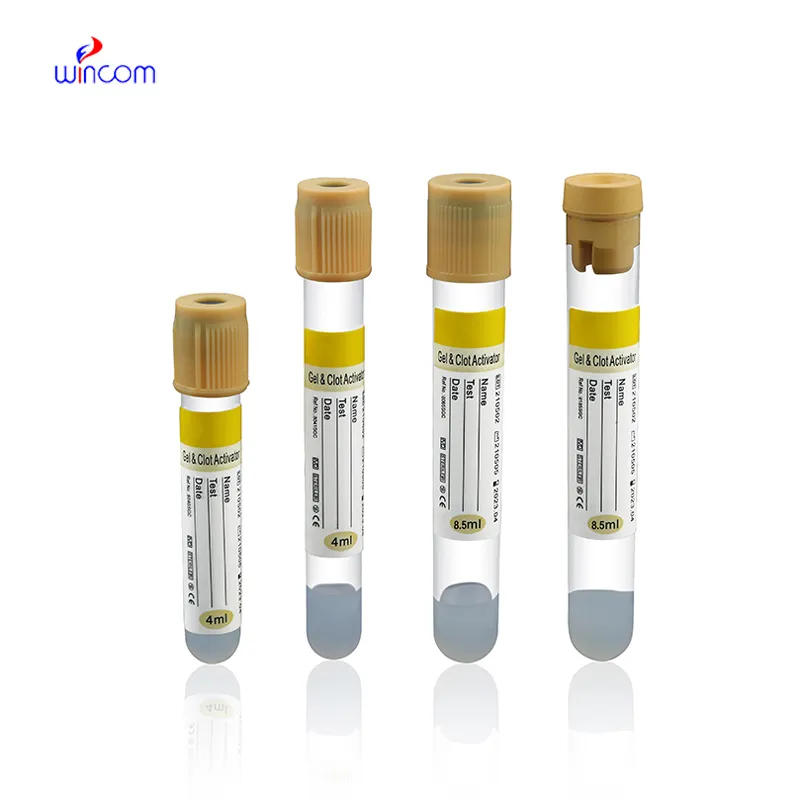
In order to keep Vacuum Blood Collection Red in their best state, it is necessary to have cooperation between supply management and laboratory operations. The storage of tubes must be done either vertically or in a manner that is recommended to keep the additives distributed. Heating and cooling should not be done at hospitals for long periods unless so specified. Proper labeling and stock rotation minimize the chances of using outdated products. The use of gloves and clean working surfaces is advised during handling. All these maintenance practices assure that Vacuum Blood Collection Red do not lose their performance characteristics, thus allowing laboratories to produce accurate and reproducible results.
In outpatient clinics, Vacuum Blood Collection Red are used to take blood samples for laboratory tests that are performed routinely, including cholesterol levels, glucose monitoring, and hormone panels, among others. The tubes' pre-measured additives help to get uniform results and at the same time, lessen the handling errors. Clinic employees are relying on the performance of these tubes as being dependable for both short-term and long-term patient monitoring. The correct application of Vacuum Blood Collection Red keeps each sample intact while being transported to hospital laboratories. Their ease of use, uniformity, and compatibility with laboratory analyzers come together to make them an essential tool in everyday clinical practice and patient diagnostics.
Q: What additives are found in Blood Collection Tubes? A: Additives may include anticoagulants, clot activators, or gel separators depending on test requirements. Q: How do Blood Collection Tubes support accurate testing? A: They preserve blood components and prevent degradation during transport and processing. Q: Are Blood Collection Tubes compatible with automated analyzers? A: Yes, most tubes are designed to work with modern laboratory automation systems. Q: Why is proper tube selection important in hospitals? A: Using the correct tube ensures reliable test results and reduces pre-analytical errors. Q: Do Blood Collection Tubes have expiration dates? A: Yes, expiration dates ensure additives remain effective and safe for use.
We’ve used this centrifuge for several months now, and it has performed consistently well. The speed control and balance are excellent.
The water bath performs consistently and maintains a stable temperature even during long experiments. It’s reliable and easy to operate.
To protect the privacy of our buyers, only public service email domains like Gmail, Yahoo, and MSN will be displayed. Additionally, only a limited portion of the inquiry content will be shown.
We’re interested in your delivery bed for our maternity department. Please send detailed specifica...
Could you share the specifications and price for your hospital bed models? We’re looking for adjus...
E-mail: [email protected]
Tel: +86-731-84176622
+86-731-84136655
Address: Rm.1507,Xinsancheng Plaza. No.58, Renmin Road(E),Changsha,Hunan,China


 EN
 af
 es
 ar
 tr
 sw
 pt
 th
 ur
 bn
 ne
 vi
 km
 lo
 de
 ru
 fi
 nl
 fa
 fr
 ko