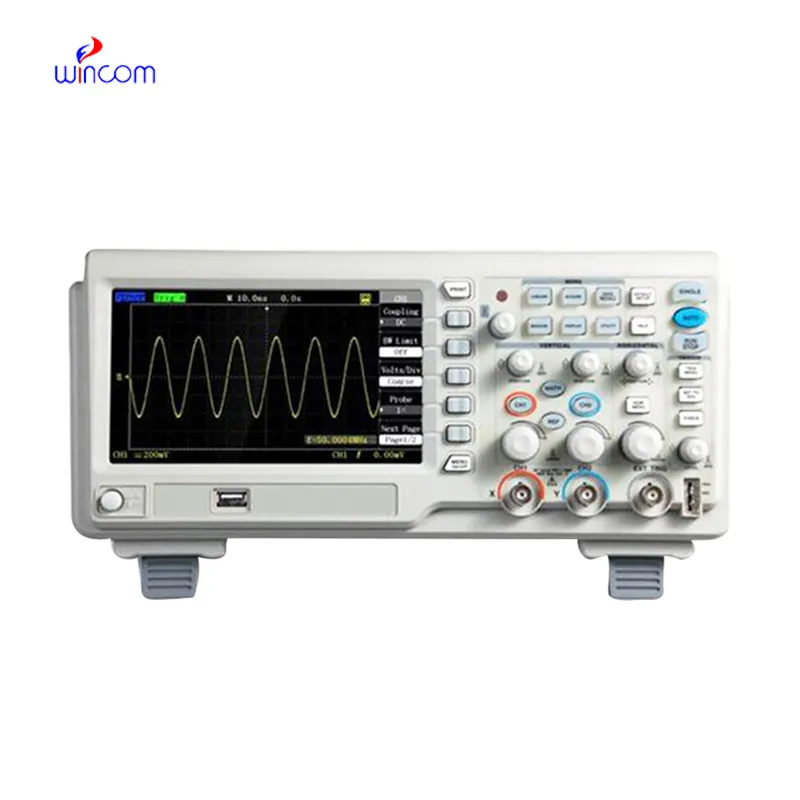
In clinical and laboratory settings, Veterinary Monitor is a primary tool for monitoring cardiac activity and vital signs. The device presents the ECG waveform very lucidly, which helps thorough patient assessment. Its stable functioning and organized data output have made it appropriate for daily operation in hospital wards where constant and accurate monitoring is necessary for patient care and clinical records.

Post-anesthesia care units utilize Veterinary Monitor for monitoring purposes of patients coming back from surgery. ECG data and vital signs are constantly monitored as patients gradually become stable. The application facilitates a secure move from anesthesia to routine care with still constant observation. Medical team depends on the continuous monitoring to know the recovery progress in the areas of the hospital meant for recovery.
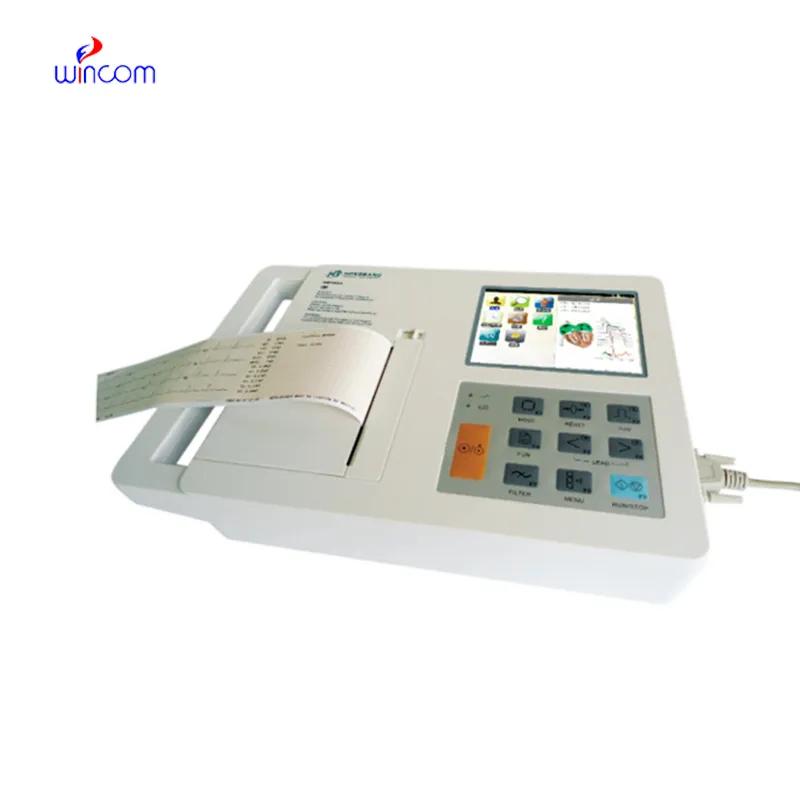
Veterinary Monitor will be the topic of future research and their variations will be able to serve at the same time at different hospital departments. Modular structures are possible to convert from ICU, general wards, and outpatient monitoring. The modernized system through this flexibility will be able to maintain its performance and monitoring standards evenly throughout different clinical environments.
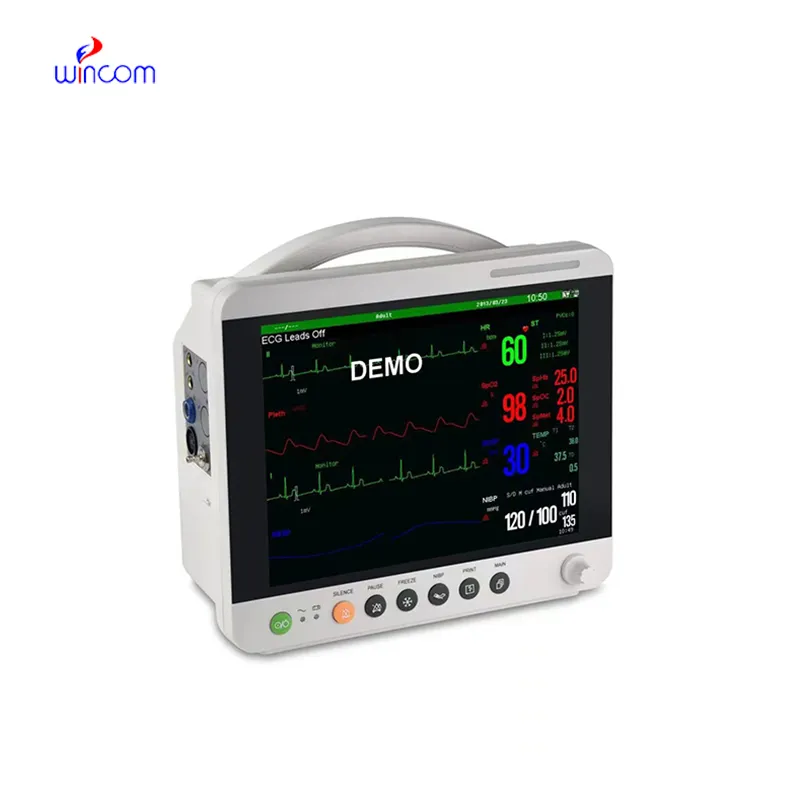
The process of maintaining Veterinary Monitor involves constant checking of electrode connections and lead quality. The hospital's standards helical the regular calibration checks, which in turn help to keep the ECG readings accurate. The batteries and power supplies in the equipment should be checked and replaced according to the need in order to avoid any unexpected power cuts. The mechanical stress on cables and sensors should be minimized by using appropriate handling techniques. Such periodic inspections together with controlled cleaning will make the healthcare teams to guarantee the reliability of Veterinary Monitor in patient monitoring, hence extending the lifespan of the equipment and at the same time supporting safe and efficient workflow in hospitals.
Veterinary Monitor is a technology that facilitates a steady observation of patients in step-down units and general wards for the long run. Continuous ECG monitoring plays an important role in identifying rhythm abnormalities during patients' long stay in the hospital. By providing data that is both stable and clear, it aids the medical staff in keeping a constant watch over patients and simultaneously lesser the manual observation load.
Q: How often should ECG electrodes be replaced? A: Signal detection accuracy depends on the regular replacement of electrodes. Q: Can a Patient Monitor & ECG be used in neonatal care? A: Certainly, the use of specialized sensors allows safe monitoring of newborns and infants. Q: Does a Patient Monitor & ECG provide alarm functions? A: Alarms are indeed present, with notifications sent to the staff in case of abnormal heart rates or any other vital sign changes. Q: Can it record trends over time? A: It can indeed show historical data for patient analysis and clinical evaluation. Q: Is maintenance required for a Patient Monitor & ECG? A: Long-term performance and accuracy depend on regular maintenance and cleaning which are appropriate for the equipment.
The delivery bed is well-designed and reliable. Our staff finds it simple to operate, and patients feel comfortable using it.
The microscope delivers incredibly sharp images and precise focusing. It’s perfect for both professional lab work and educational use.
To protect the privacy of our buyers, only public service email domains like Gmail, Yahoo, and MSN will be displayed. Additionally, only a limited portion of the inquiry content will be shown.
We’re looking for a reliable centrifuge for clinical testing. Can you share the technical specific...
We’re interested in your delivery bed for our maternity department. Please send detailed specifica...
E-mail: [email protected]
Tel: +86-731-84176622
+86-731-84136655
Address: Rm.1507,Xinsancheng Plaza. No.58, Renmin Road(E),Changsha,Hunan,China


 EN
EN
 af
af
 es
es
 ar
ar
 tr
tr
 sw
sw
 pt
pt
 th
th
 ur
ur
 bn
bn
 ne
ne
 vi
vi
 km
km
 lo
lo
 de
de
 ru
ru
 fi
fi
 nl
nl
 fa
fa
 fr
fr
 ko
ko