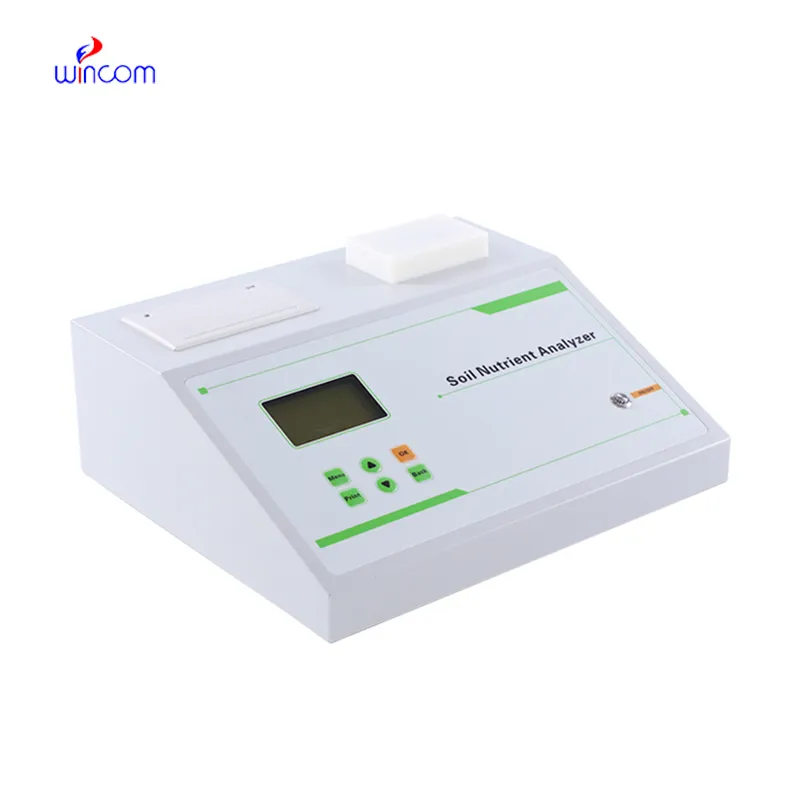
animal anesthesia machine assists hospitals in providing exact anesthesia by constantly observing patient respiration and oxygenation. The integrated system of animal anesthesia machine is made up of vaporizers, flow meters, and alarms that work together to control the level of anesthetic and ensure safety for the patient. Anesthesiologists in operating rooms and intensive care units rely on this device to perform real-time monitoring of airway pressures and ventilation parameters. Manifold and very precise gas delivery and respiratory monitoring are the requirements for laboratory-based research studies, where animal anesthesia machine already has its application. The combination of safety features and continuous physiological feedback provides consistent and reliable anesthesia management in both clinical and experimental settings.

In the pediatric wards, animal anesthesia machine is the method of choice for the provision of anesthesia according to children's physiological characteristics. The pediatric population is often subjected to meticulous ventilation and anesthetic dosage control because of their small airways and high sensitivity. The machine contributes to the maintenance of gentle ventilation and precise gas delivery during operations. Its monitoring feature is a constant companion to the medical practitioners who are checking the respiration rates and the oxygen concentrations. This use case points out the necessity of animal anesthesia machine in guaranteeing the safety of young patients when they get anesthetized in hospitals.
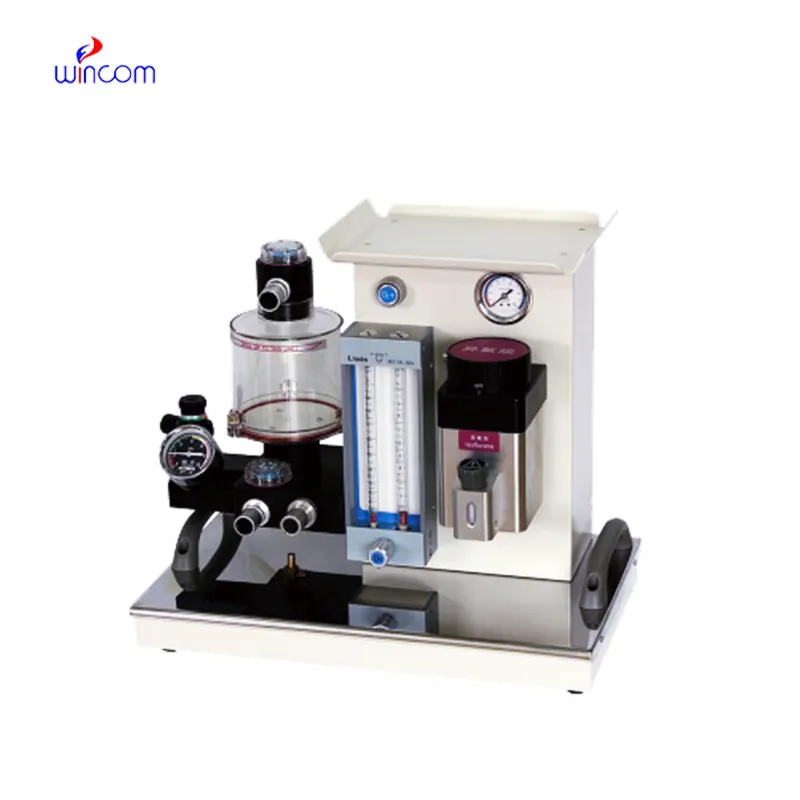
Further development of animal anesthesia machine is likely to incorporate state-of-the-art alarm and detection systems which will make patient safety the top priority. More sensitive sensors might even manage to detect minute variations in airway pressure, oxygen supply, or even respiratory patterns. Hospitals might get the advantage of getting the alerts earlier and managing the risks better. This development leads to safer administration of anesthesia in high-risk surgeries and also the critical care areas. So, with the passage of time, animal anesthesia machinewill surely become more protective of the patients via technology.
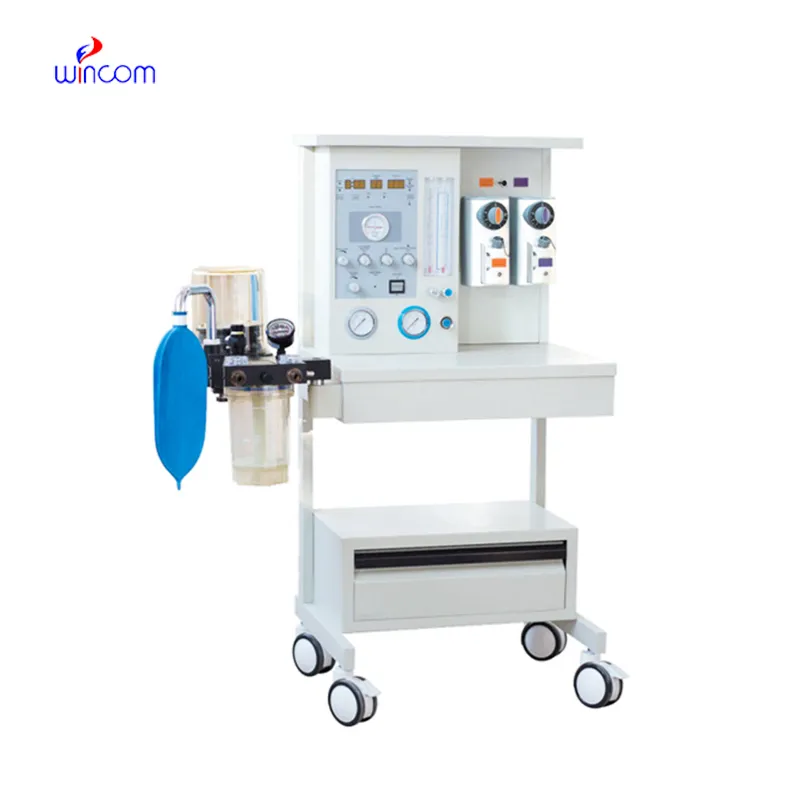
Alarm and monitoring systems in animal anesthesia machine need to undergo frequent verification. It is necessary to carry out the testing of audible and visual alerts to make sure that they are functional. These systems are essential to notify the healthcare providers regarding the patients' status changes. Making sure of trustworthy alarms is one way of protecting the patients during surgical and clinical procedures. Standard testing is one way to perpetuate trust in the alerting power of the device.
animal anesthesia machine is a crucial medical apparatus used in hospitals, intended to administer accurate anesthetic gases and at the same time, allow patient ventilation during surgery. It incorporates monitoring systems which constantly measure the oxygen levels, respiratory rate, and airway pressures, thus ensuring patient safety during the entire procedure. The device, which is made up of vaporizers, flow meters, and alarms, allows anesthesiologists to control sedation uniformly and react to different physiological situations. Its use goes from operating rooms to emergency departments and laboratory-based clinical studies, thus providing consistent performance for efficient anesthesia administration and facilitating good patient management in various hospital environments.
Q: What is the main function of an anesthesia machine? A: Controlled anesthetic gases are delivered and the patient is ventilated during medical procedures. Q: Where is the anesthesia machine frequently used? A: Hospitals mainly use it in their operating rooms, emergency units, and intensive care departments. Q: Who operates the anesthesia machine during surgery? A: Trained anesthesiologists or anesthesia technicians are responsible for operating the device. Q: Can the anesthesia machine assist the breathing of a patient? A: Yes, by providing mechanical ventilation support when spontaneous breathing is insufficient. Q: Does the device monitor respiratory parameters? A: It monitors airflow, pressure and oxygen concentration all through the delivery.
This x-ray machine is reliable and easy to operate. Our technicians appreciate how quickly it processes scans, saving valuable time during busy patient hours.
The delivery bed is well-designed and reliable. Our staff finds it simple to operate, and patients feel comfortable using it.
To protect the privacy of our buyers, only public service email domains like Gmail, Yahoo, and MSN will be displayed. Additionally, only a limited portion of the inquiry content will be shown.
We are planning to upgrade our imaging department and would like more information on your mri machin...
We’re interested in your delivery bed for our maternity department. Please send detailed specifica...
E-mail: [email protected]
Tel: +86-731-84176622
+86-731-84136655
Address: Rm.1507,Xinsancheng Plaza. No.58, Renmin Road(E),Changsha,Hunan,China


 EN
 af
 es
 ar
 tr
 sw
 pt
 th
 ur
 bn
 ne
 vi
 km
 lo
 de
 ru
 fi
 nl
 fa
 fr
 ko