The structure of china tube for blood collection has been improved to suit both clinical and laboratory applications. Sealing, sterilization, and pre-added substances keep blood samples in their most stable form. Besides, they are used in hospitals for several purposes such as preventing clotting, keeping cellular components alive, and facilitating accurate diagnostic tests. The standardization of their sizes and the color-coded caps used for them help in easy identification and also minimize pre-analytical errors. The integration of china tube for blood collection with laboratory instruments like centrifuges and analyzers results in improved workflow and reliable results. These tubes are indispensable in both hospitals and research laboratories as they help maintain the accuracy and efficiency of the processes.

In hospital laboratories, china tube for blood collection find widespread use in the case of routine blood tests such as complete blood counts, metabolic panels, and coagulation analysis. The prefilled additives in them guarantee the proper condition of the sample, thus, allowing the precise measurement of the plasma and cells. The laboratory personnel apply color codes to the test tubes according to the tests to be done in order to minimize the pre-analytical errors. These tubes are compatible with centrifuges, analyzers, and barcode systems, facilitating the processing of the samples automatically. By granting the same and reliable sample preservation, china tube for blood collection are increasing the accuracy and efficiency of diagnostics, thus, supporting the clinicians in the management of the patients and enabling hospitals to keep the standards of laboratory workflow high.
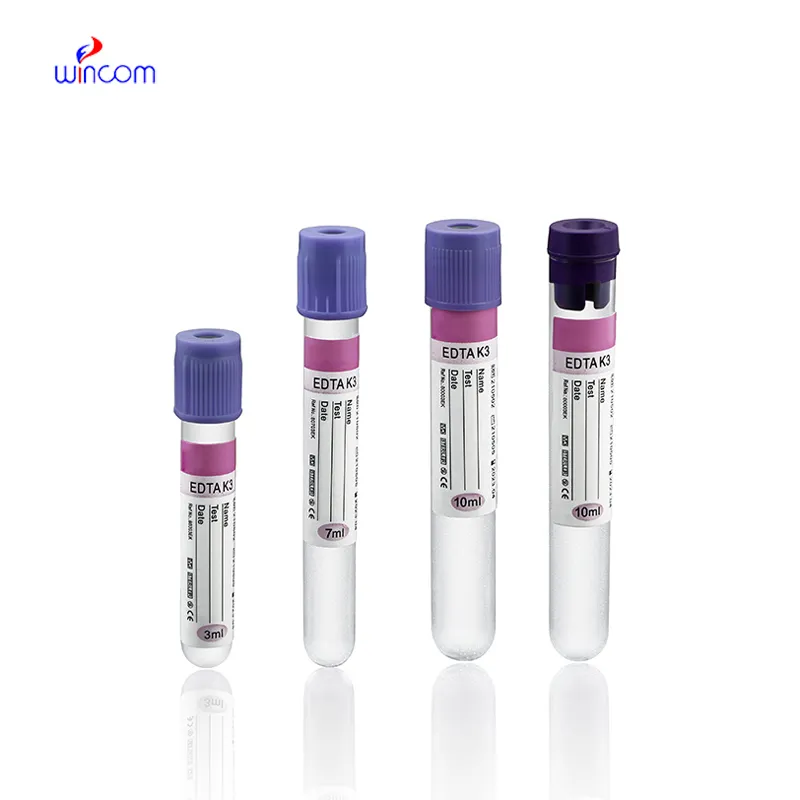
The evolution of china tube for blood collection will surely bring small and light designs for field hospitals, mobile clinics, or decentralized laboratory testing. Tubes will likely be improved with better ventilation to withstand harsh temperatures and rough handling during transport, thus providing reliable sample collection even out of the classic hospital settings. These tubes might be given to hospitals for emergency or community testing programs. Advanced pre-measured additives and color-coded identification will preserve accuracy even in non-traditional settings. Future china tube for blood collection will feature already mentioned characteristics plus compatibility with automated analysis systems ensuring flexible clinical as well as research workflows.
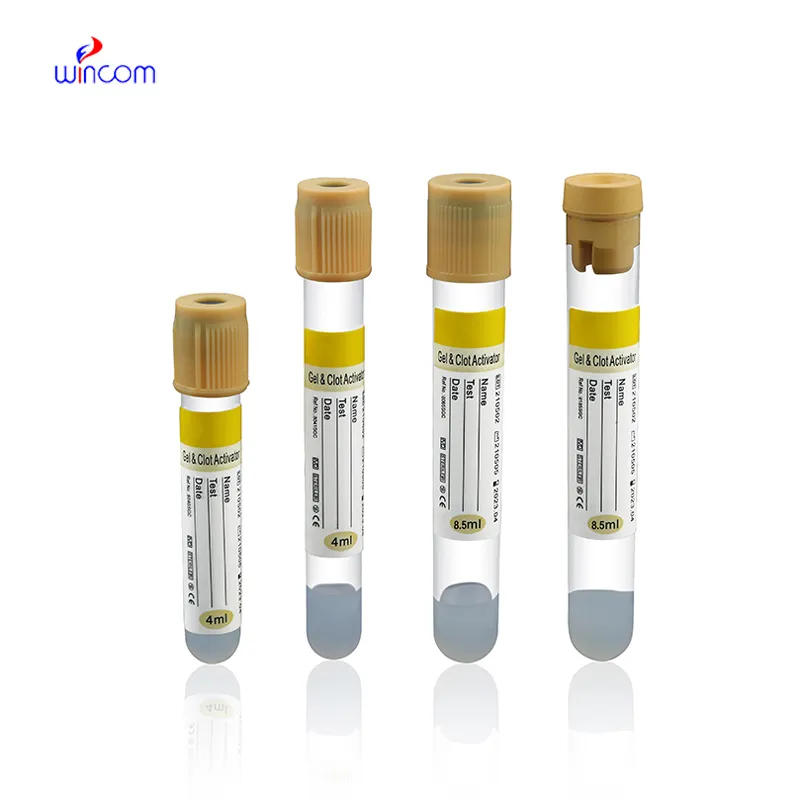
The care procedures for china tube for blood collection focus on hygiene and expert handling of the samples in clinical environments. To avoid contamination, tubes must be taken out of their packaging only at the time of use. The laboratory personnel should ensure that the boxes containing the tubes are not subjected to the weight of heavy objects on top to avoid deformation. Areas for storage need to be controlled so that there is no excessive vibration or humidity. Staff in the hospital are trained to check the tubes by looking for cracks, color changes, or broken seals before the tubes are used. Following these methods aids the process of keeping samples unaltered and, consequently also lab analysis being accurate in the different hospital departments.
china tube for blood collection find their application in clinical chemistry laboratories for the testing of metabolic, hormonal, and enzymatic markers with the highest precision. Most of the time, these tubes are already filled with substances such as clot activators, gel separators, or anticoagulants to make sure that the samples remain intact. Laboratory personnel depend on such tubes for the processes of automatic centrifugation, separation, and analysis. The proper treatment of china tube for blood collection eliminates pre-analytical errors and provides uniformity in the results of multiple tests. Their shape allows for effective workflow in not only high-capacity hospital laboratories but also in specialized testing facilities, hence assisting in timely diagnosis and treatment planning for patients.
Q: What is the purpose of Blood Collection Tubes in emergency departments? A: The main function is to facilitate quick and secure blood collection for urgent diagnostic tests. Q: Are Blood Collection Tubes suitable for infants and children? A: Absolutely, there are specialized smaller-volume tubes for both pediatric and neonate applications. Q: What is the procedure when a Blood Collection Tube gets broken? A: The broken tubes cannot be used and should be disposed of per the hospital's rules. Q: Will Blood Collection Tubes leak if there is an accident? A: Leakage during handling and transport is minimized through the secure caps that are designed for these tubes. Q: What methods do hospitals use for tracking Blood Collection Tubes? A: A number of hospitals are using either labeling or barcode systems for sample identification and traceability.
The water bath performs consistently and maintains a stable temperature even during long experiments. It’s reliable and easy to operate.
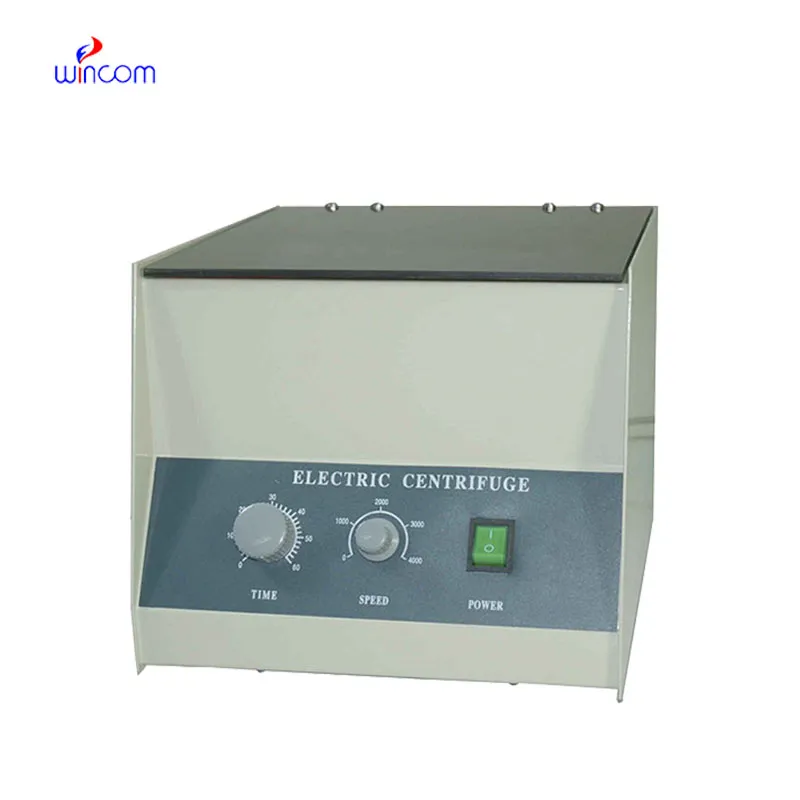
We’ve used this centrifuge for several months now, and it has performed consistently well. The speed control and balance are excellent.
To protect the privacy of our buyers, only public service email domains like Gmail, Yahoo, and MSN will be displayed. Additionally, only a limited portion of the inquiry content will be shown.
Hello, I’m interested in your centrifuge models for laboratory use. Could you please send me more ...
Hello, I’m interested in your water bath for laboratory applications. Can you confirm the temperat...
E-mail: [email protected]
Tel: +86-731-84176622
+86-731-84136655
Address: Rm.1507,Xinsancheng Plaza. No.58, Renmin Road(E),Changsha,Hunan,China


 EN
 af
 es
 ar
 tr
 sw
 pt
 th
 ur
 bn
 ne
 vi
 km
 lo
 de
 ru
 fi
 nl
 fa
 fr
 ko