The main goal of pediatric blood collection tubes is the preservation of blood samples from the time they are collected until laboratory processing. The sterile design, secure closures, and pre-measured additives guarantee the stability of cellular and plasma components. These tubes are used by hospitals and research centers to lower contamination risks and facilitate automated testing processes. Their ability to work with centrifuges, analyzers, and barcode systems allows for quick and accurate sample tracking and processing. The color codes help the medical staff and the laboratory workers to quickly identify the type of tube. By delivering dependable performance, pediatric blood collection tubes become a crucial tool for laboratory diagnostics that are accurate, safe, and reproducible.

In laboratory diagnostics performed through imaging or during preoperative assessments, pediatric blood collection tubes are used to obtain blood for biochemical, hematologic, or coagulation analysis. Blood tubes remain intact throughout the process of transportation and testing. Laboratory workers depend on premade additives and fixed volumes to provide accurate and consistent results. Different tube types for particular tests can be easily identified through their colored caps. The use of pediatric blood collection tubes in preoperative and laboratory processes enables hospitals to handle blood samples quickly and efficiently, guaranteeing reliable results for surgical planning and contributing to patient safety through quick and accurate diagnostics.
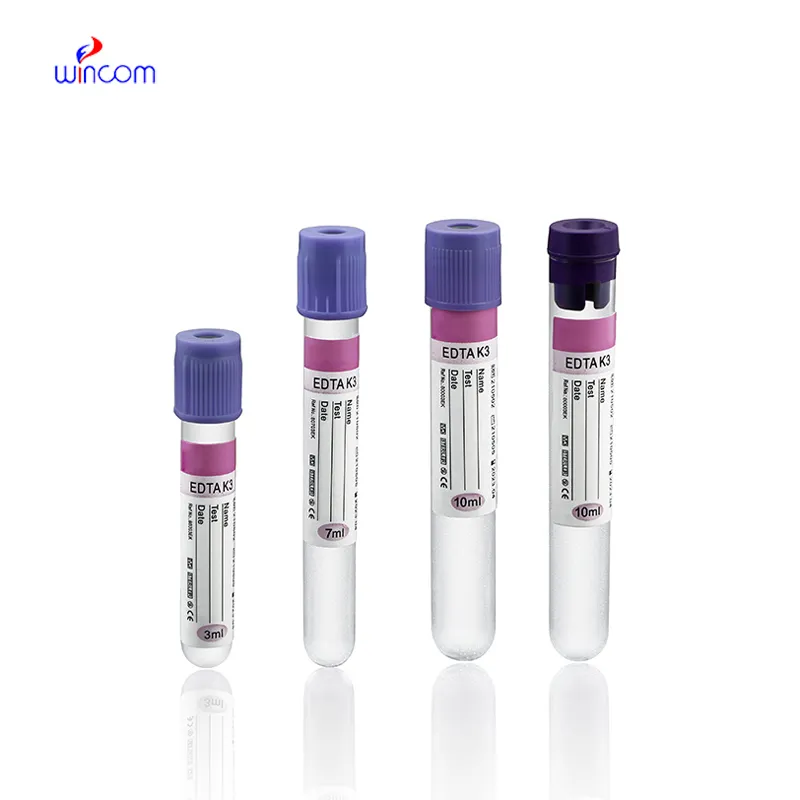
pediatric blood collection tubes might witness inventive strides in additive technology enabling multi-functional testing from just one blood collection. The tubes could be designed in such a way that they would have substances that maintain the samples for both hematology and biochemical assays, hence making it unnecessary to have multiple blood draws. The hospitals and laboratories will enjoy smooth operation, less patient discomfort, and reduced pre-analytical variability as their main advantages. Cutting-edge monitoring systems might keep an eye on sample conditions and warn personnel in case of any changes. The next pediatric blood collection tubes will not only magnify operational efficiency but also improve diagnostic reliability thus paving the way for integrated hospital laboratory operations and modern clinical research protocols.

The pediatric blood collection tubes long term care is based on constant adherence to the requirements presented by both the manufacturer and the hospital. Tubes, for their part, need to be kept in places with controlled temperatures and have to be moisture-free. Usage patterns and expiration dates are monitored with the help of inventory systems. Lab personnel should dispose of tubes that are damaged or affected in any way on an immediate basis. Adhering to disposal protocols not only keeps the environment clean but also protects the staff. By the application of thorough maintenance and care practices, the pediatric blood collection tubes persist to provide the hospitals with precise blood collection and trustworthy laboratory diagnostics across all departments.
In the field of medical research and clinical trials, pediatric blood collection tubes are indispensable in the collection and storage of blood samples for analysis. The tubes guarantee uniform volumes of the sample and at the same time do not alter the chemical composition of the sample during the storage period. They are used for different diagnostic applications in hospitals and research labs, such as tests related to hematology, serology, and molecular biology. The common construction enables the tubes to be used with centrifuges, analyzers, and automated lab equipment that require the same class of products. Proper use of pediatric blood collection tubes not only ensures reliable processing of samples and minimizes errors but also plays an important role in the accurate diagnosis of patients and the generation of quality data in both clinical and experimental contexts.
Q: What is a Blood Collection Tube used for? A: A Blood Collection Tube is used to collect and preserve blood samples for laboratory testing in hospitals and clinical laboratories. Q: Why do Blood Collection Tubes have different cap colors? A: The various colors of the caps show the specific additives that are meant for different diagnostic tests. Q: Are Blood Collection Tubes sterile? A: Absolutely, these tubes are produced in very tight sterile environments to keep them contamination-free. Q: Can Blood Collection Tubes be reused? A: The tubes are disposable and per patient use only, which is a measure to keep the patient safe and ensure the accuracy of the test. Q: How should Blood Collection Tubes be stored before use? A: Blood Collection Tubes should be stored in a recommended temperature range that is clean and dry.
The centrifuge operates quietly and efficiently. It’s compact but surprisingly powerful, making it perfect for daily lab use.
The microscope delivers incredibly sharp images and precise focusing. It’s perfect for both professional lab work and educational use.
To protect the privacy of our buyers, only public service email domains like Gmail, Yahoo, and MSN will be displayed. Additionally, only a limited portion of the inquiry content will be shown.
We’re currently sourcing an ultrasound scanner for hospital use. Please send product specification...
We’re looking for a reliable centrifuge for clinical testing. Can you share the technical specific...
E-mail: [email protected]
Tel: +86-731-84176622
+86-731-84136655
Address: Rm.1507,Xinsancheng Plaza. No.58, Renmin Road(E),Changsha,Hunan,China


 EN
EN
 af
af
 es
es
 ar
ar
 tr
tr
 sw
sw
 pt
pt
 th
th
 ur
ur
 bn
bn
 ne
ne
 vi
vi
 km
km
 lo
lo
 de
de
 ru
ru
 fi
fi
 nl
nl
 fa
fa
 fr
fr
 ko
ko