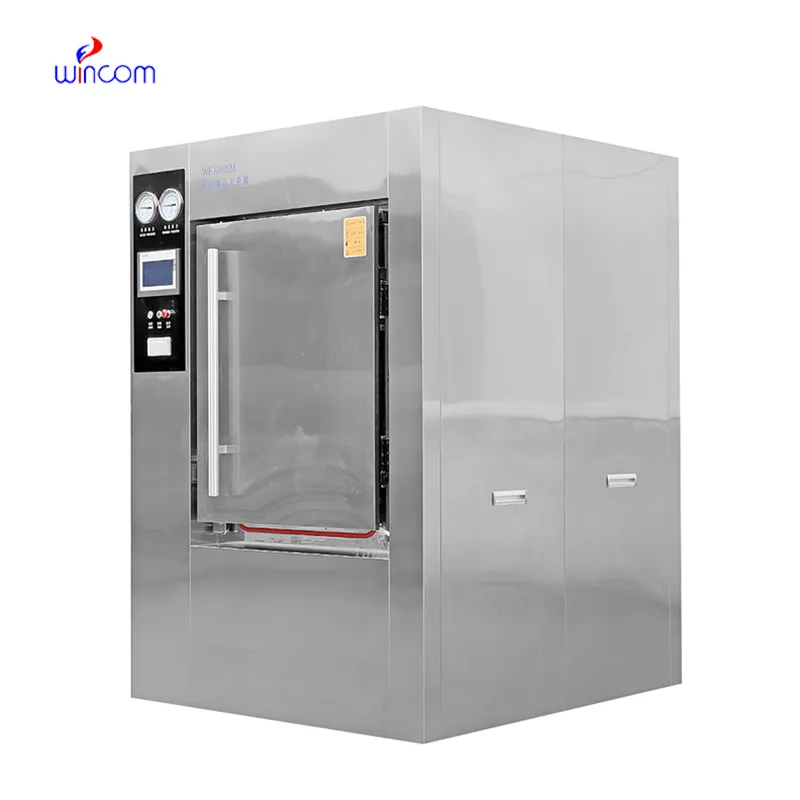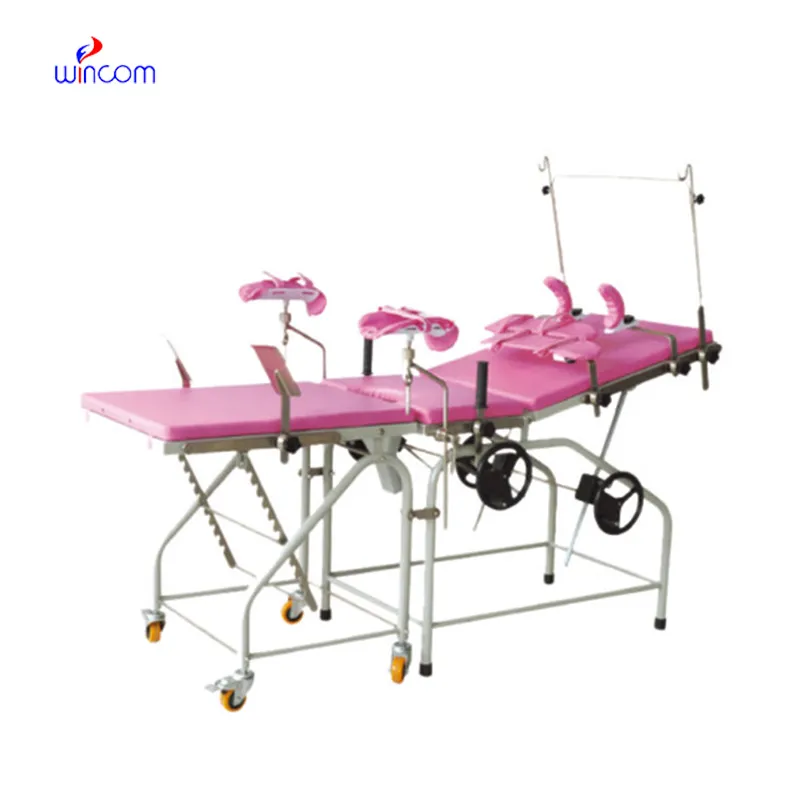
stationary oxygen concentrator is an innovation that produces medical-grade oxygen via an internal separation method which removes nitrogen from the air around it. This configuration makes it possible for continuous oxygen production without depending on gas storage. The device in a hospital setting provides continuous oxygen delivery of stable quality to wards, diagnostic areas, and other departments. Its built-in control panel allows for accurate flow regulation depending on clinical need. Supporting respiratory care with a constant source of oxygen, stationary oxygen concentrator decreases the logistical challenges that go hand in hand with conventional oxygen supply methods.

In rehabilitation departments, the stationary oxygen concentrator device is used as a support for patients in their physical and respiratory therapy sessions. Patients after lung related diseases could need extra oxygen in the course of their movement. The machine is giving out constant oxygen and at the same time letting the patient move around the therapy zone. Health workers keep an eye on how much the patient can tolerate and change the flow accordingly. This method helps the patient recover slowly and safely join rehabilitation programs.
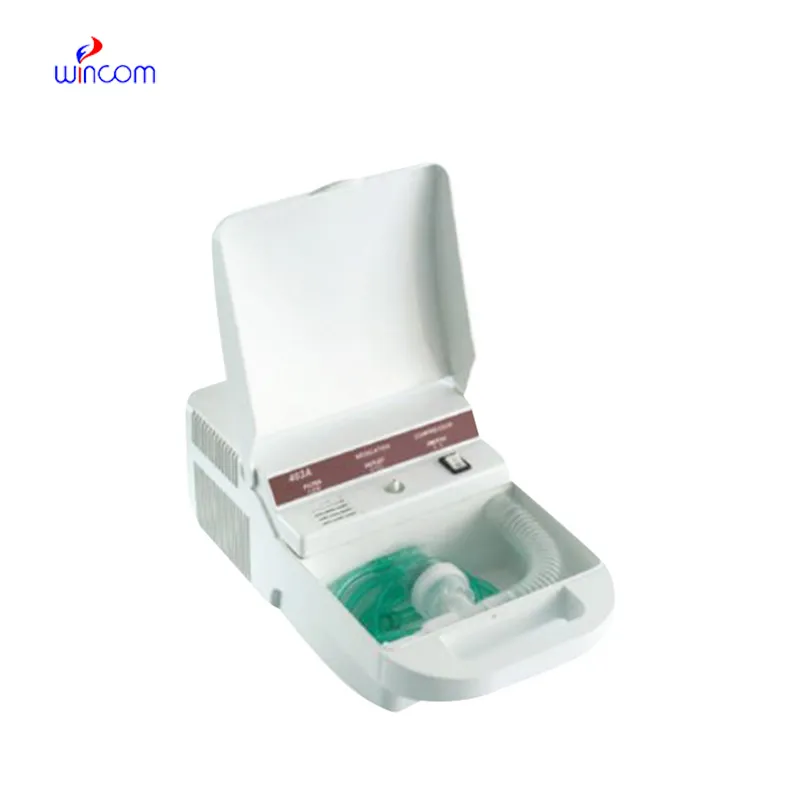
Portability is a probable factor that will determine the future of stationary oxygen concentrator in a hospital environment. By making the equipment lighter and adding better mobility features, it could be used in several departments. The hospitals might be able to make better use of one unit for the wards, diagnostic rooms, and recovery areas. The patient taking the one having the better portability will not have an issue making the oxygen output. This trend is an indication that medical devices, which can easily be used in different clinical settings, are becoming more prevalent amidst the rapid changes in the hospitals.
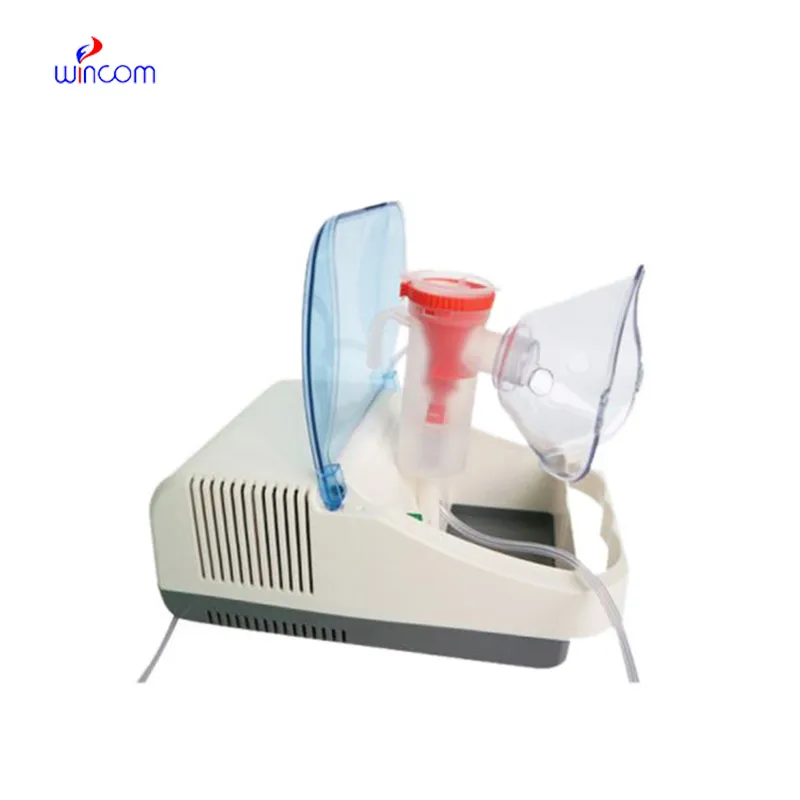
Long-term maintenance of stationary oxygen concentrator comprises preventive replacement of consumable parts like filters and seals. Monitoring equipment performance metrics and scheduling maintenances can keep oxygen supply up to the mark. It is necessary for hospitals to keep comprehensive service records for meeting compliance and planning their operations. Training of the staff in the correct ways of handling, cleaning, and monitoring will increase the life of the device. Through the implementation of comprehensive care protocols, medical establishments secure the stable and high-quality oxygen therapy provision by stationary oxygen concentrator in patient areas, recovery zones, labs, and other hospital locations where respiratory support for patients is a must.
stationary oxygen concentrator finds its use in hospitals' laboratories and clinical research settings as well. A regulated oxygen source is given for the above-mentioned factors. The device is being used by the researchers to keep a certain atmosphere of oxygen in their studies with biological samples. The precise level of oxygen helps in making the experimental conditions reproducible. Under such circumstances, stationary oxygen concentrator signifies the increasing laboratory performance and providing a backing to medical research within the health sector.
Q: How often should an Oxygen Concentrator be cleaned? A: Daily disinfection of external surfaces should be done, and filters should be cleaned or replaced based on the manufacturer’s recommendation. Q: Can it be used during patient transport within the hospital? A: With the help of portable models, oxygen can be delivered in corridors or between departments, thus ensuring patient safety during transportation. Q: What safety features are included? A: The devices come with alarms that signal low oxygen output, power failure, or mechanical problems. Q: Does it require electricity to operate? A: The answer is yes, most models are dependent on electricity, but some have backup systems for safe and continuous operation. Q: Can the device operate continuously for long periods? A: The answer is yes, because it is made for continuous hospital use with regular monitoring and maintenance.
The delivery bed is well-designed and reliable. Our staff finds it simple to operate, and patients feel comfortable using it.
The microscope delivers incredibly sharp images and precise focusing. It’s perfect for both professional lab work and educational use.
To protect the privacy of our buyers, only public service email domains like Gmail, Yahoo, and MSN will be displayed. Additionally, only a limited portion of the inquiry content will be shown.
Hello, I’m interested in your water bath for laboratory applications. Can you confirm the temperat...
Could you share the specifications and price for your hospital bed models? We’re looking for adjus...
E-mail: [email protected]
Tel: +86-731-84176622
+86-731-84136655
Address: Rm.1507,Xinsancheng Plaza. No.58, Renmin Road(E),Changsha,Hunan,China


 EN
EN
 af
af
 es
es
 ar
ar
 tr
tr
 sw
sw
 pt
pt
 th
th
 ur
ur
 bn
bn
 ne
ne
 vi
vi
 km
km
 lo
lo
 de
de
 ru
ru
 fi
fi
 nl
nl
 fa
fa
 fr
fr
 ko
ko