Designed to supply uniform and accurate heating, the water bath thermostatic cabinet is noted for its rugged build and simple controls. Temperature is variable in small steps and maintained constant through a sophisticated microprocessor-operated system. The stainless-steel enclosure resists corrosion and distributes heat evenly. The water bath thermostatic cabinet is equipped with automatic temperature recovery and low-water protection for added security. With its sleek exterior, noiseless running, and power conservation, it fits into any laboratory setup. The water bath thermostatic cabinet makes certain that there is consistent performance during critical experimental procedures.

The water bath thermostatic cabinet is a valuable resource of laboratories in biology, chemistry, and clinical research. The water bath thermostatic cabinet is most commonly used for warming cultures, pre-warming reagents, softening substrates, and adjusting sample temperatures. In microbiology, the water bath thermostatic cabinet is applied to grow bacterial cultures at controlled temperatures. In chemistry laboratory facilities, it is applied to reaction kinetics and digestion reactions of samples. Pharmaceutical facilities utilize the water bath thermostatic cabinet for product testing and stability tests. Its precise temperature control yields consistent results, supporting research and quality control procedures.
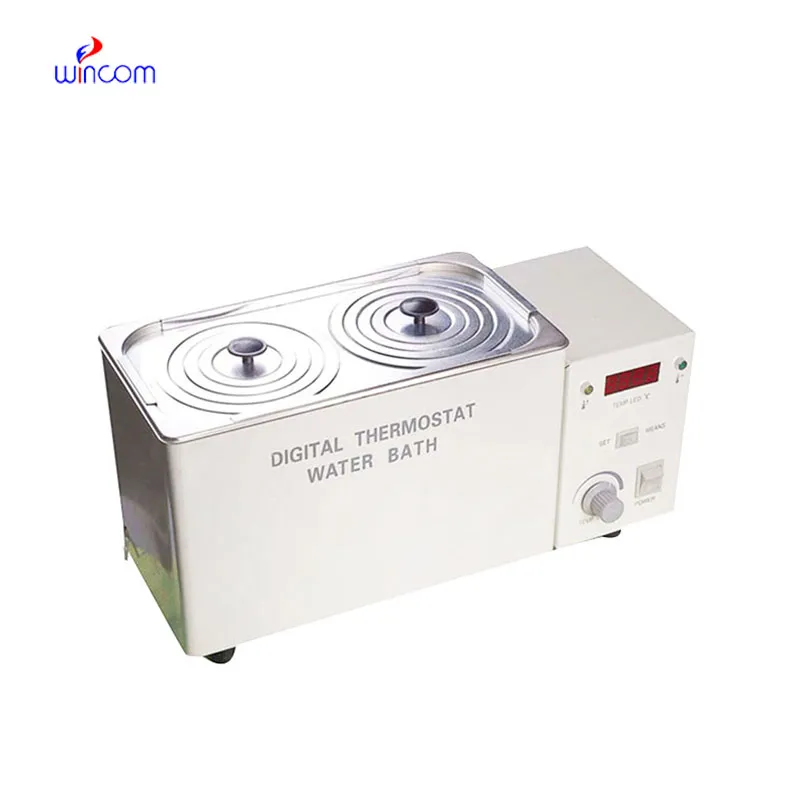
Future water bath thermostatic cabinet will be altered by smart control systems and greater connectivity. The new designs will include self-regulating thermal technology that will be able to change heat automatically based on sample requirements. The addition of wireless communication will allow scientists to observe temperature performance in real-time. The water bath thermostatic cabinet will also be greener, with the use of materials that minimize energy wastage and environmental impact. The innovation will improve laboratory productivity and facilitate more complex scientific experimentation.
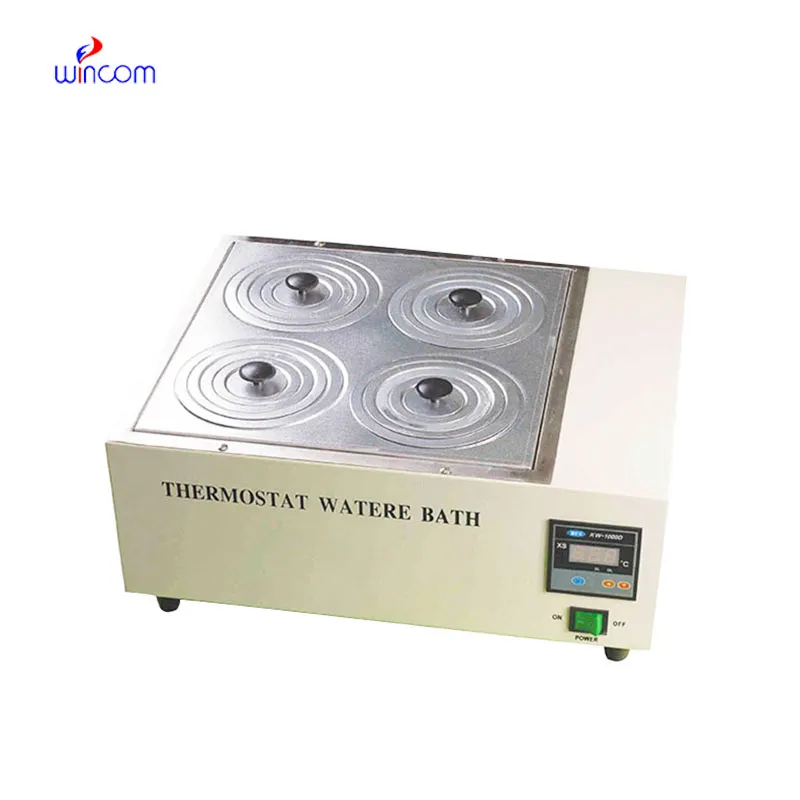
Maintenance of water bath thermostatic cabinet involves periodic cleaning and inspection cycles. Unplug the device and let it cool down completely. Clean the interior using non-abrasive cleaning materials to prevent scratching. Use deionized water to limit mineral deposition and maximize heating efficiency. Check for rust or deposition on metal components. Ensure the temperature sensor is covered up to the hilt in use. Regular maintenance prevents the water bath thermostatic cabinet from delivering optimal performance and shortening the lifespan of its heater elements.
The water bath thermostatic cabinet is utilized to maintain constant temperatures for various scientific activities that need accuracy. Its insulated chamber and stable heating mechanism prevent energy loss and ensure constant water temperature. Laboratories often use the water bath thermostatic cabinet for the process of heating reagents, incubation of samples, and measurements for temperature-sensitive materials. With its corrosion-resistant tank and user-friendly interface, it offers convenience and durability. The water bath thermostatic cabinet is necessary in order to get reproducible results in chemical, biological, and clinical studies.
Q: What is the primary function of a water bath in the laboratory? A: A water bath is used to maintain samples at a constant temperature for extended periods, providing stable heating conditions for experiments and reactions. Q: Why is distilled water recommended for use in a water bath? A: Distilled water is preferred because it prevents mineral buildup, reduces corrosion, and helps extend the lifespan of the equipment. Q: How often should the water in a water bath be replaced? A:When contamination or visible residue occurs, it should be replaced at least once a week or more frequently to ensure cleanliness and accurate heating performance. Q: What safety measures should be taken when operating a water bath? A: Users should avoid overfilling, keep electrical components dry, and regularly check temperature controls to prevent overheating or short circuits. Q: Can a water bath be used for heating flammable liquids? A: No, flammable liquids should never be heated in a water bath, as vapors can ignite when exposed to heat or electrical sparks.
I’ve used several microscopes before, but this one stands out for its sturdy design and smooth magnification control.
The water bath performs consistently and maintains a stable temperature even during long experiments. It’s reliable and easy to operate.
To protect the privacy of our buyers, only public service email domains like Gmail, Yahoo, and MSN will be displayed. Additionally, only a limited portion of the inquiry content will be shown.
We’re looking for a reliable centrifuge for clinical testing. Can you share the technical specific...
Could you share the specifications and price for your hospital bed models? We’re looking for adjus...
E-mail: [email protected]
Tel: +86-731-84176622
+86-731-84136655
Address: Rm.1507,Xinsancheng Plaza. No.58, Renmin Road(E),Changsha,Hunan,China


 EN
 af
 es
 ar
 tr
 sw
 pt
 th
 ur
 bn
 ne
 vi
 km
 lo
 de
 ru
 fi
 nl
 fa
 fr
 ko